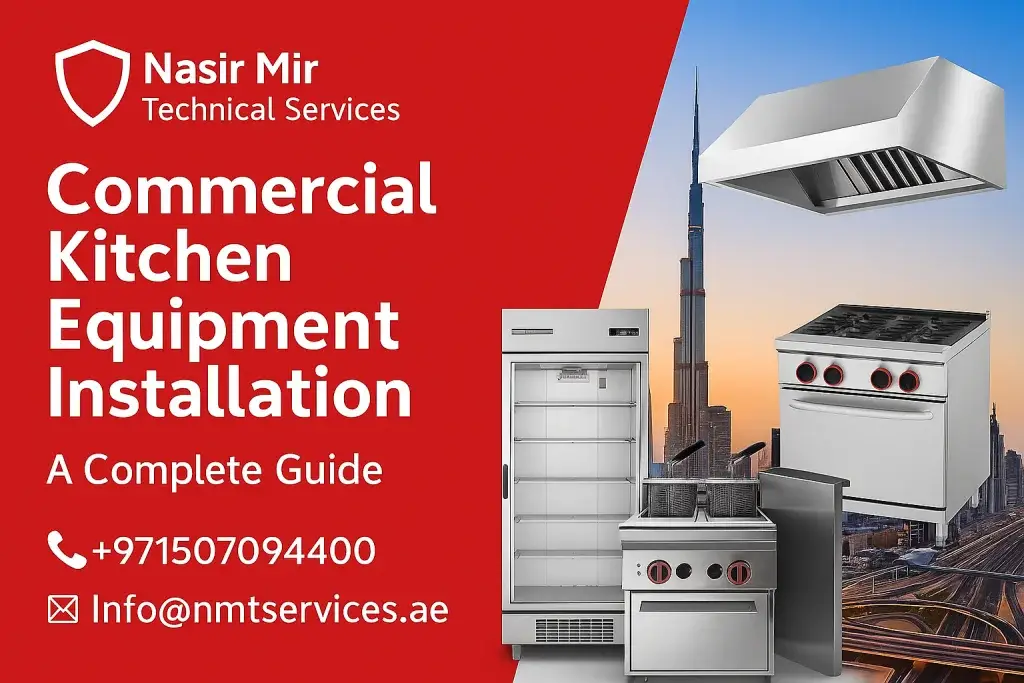
Setting up a commercial kitchen is one of the most crucial steps in launching or upgrading a restaurant, catering business, or food service operation. The process doesn’t stop at buying high-quality ovens, grills, refrigerators, or dishwashers—it extends to ensuring that every piece of equipment is installed correctly. Proper commercial kitchen equipment installation determines not only the safety and efficiency of your operations but also your compliance with local health and safety regulations.
In this article, we’ll walk you through why professional installation matters, the key steps involved, common mistakes to avoid, and how to choose the right installation partner for your business.
Why Professional Installation Matters
Commercial kitchen equipment is not the same as residential appliances. These machines are larger, more complex, and designed for heavy-duty use. Hiring professional installers ensures:
- Safety Compliance – Incorrect installation of gas ranges, exhaust hoods, or electrical appliances can lead to fire hazards, gas leaks, or accidents. Certified technicians follow safety codes and local regulations.
- Operational Efficiency – A well-installed kitchen reduces downtime, prevents workflow bottlenecks, and helps staff move efficiently between prep, cooking, and cleaning stations.
- Warranty Protection – Many manufacturers require professional installation to keep warranties valid. DIY or unlicensed setups may void your coverage.
- Cost Savings – Fixing mistakes after improper installation often costs more than getting it right the first time.
Simply put, professional installation safeguards your investment and ensures your business runs smoothly from day one.
Key Steps in Commercial Kitchen Equipment Installation
Every installation project has its own unique challenges depending on the space, equipment, and business type. However, these are the common steps followed in most professional setups:
1. Planning and Layout Design
Before the first piece of equipment is delivered, a detailed layout plan is prepared. This ensures that the placement of ovens, prep tables, sinks, and storage areas supports an efficient workflow. A well-planned kitchen minimizes unnecessary movement, reduces cross-contamination, and optimizes staff productivity.
2. Electrical and Plumbing Preparations
Most commercial equipment requires specialized connections. For instance, heavy-duty ovens and refrigerators may need dedicated electrical circuits, while dishwashers require proper water inlets and drainage systems. Ventilation systems, grease traps, and fire suppression systems are also addressed at this stage.
3. Delivery and Positioning of Equipment
Commercial appliances are bulky and heavy. Professional installers ensure safe transportation into the kitchen space without damaging walls, floors, or the equipment itself. Once delivered, each unit is positioned according to the design plan for optimal efficiency.
4. Equipment Assembly and Connections
Technicians then assemble modular units, connect gas and water lines, and wire electrical appliances. Every connection is double-checked to prevent leaks, overloads, or power issues.
5. Testing and Calibration
Once everything is hooked up, the equipment undergoes a series of tests. Ovens are heated to required temperatures, refrigerators are monitored for cooling efficiency, and exhaust hoods are tested for proper airflow. This stage ensures all units meet performance and safety standards.
6. Staff Training and Handover
A well-installed kitchen is only as good as the people who operate it. Professional installers often provide training to staff on proper usage, cleaning procedures, and safety precautions. This not only prolongs the life of the equipment but also prevents accidents.
Common Mistakes to Avoid
Many food service businesses run into problems because they overlook the importance of proper installation. Here are some mistakes you should avoid:
- DIY or Unlicensed Installation – Attempting to cut costs by skipping professional installers may result in unsafe conditions and costly repairs.
- Poor Ventilation Setup – A commercial kitchen generates a lot of heat, grease, and smoke. Improper ventilation can lead to health hazards and violations.
- Ignoring Maintenance Space – Squeezing equipment too tightly leaves no room for servicing, which leads to difficulties during routine cleaning and repairs.
- Overloading Electrical Circuits – Connecting multiple heavy appliances to the wrong circuits can cause frequent breakdowns.
Benefits of Proper Installation
When commercial kitchen equipment is installed correctly, businesses gain several long-term benefits:
- Improved Efficiency – Staff can move seamlessly between cooking, prepping, and cleaning zones.
- Extended Equipment Life – Appliances last longer when installed and used correctly.
- Compliance with Food Safety Standards – Proper installation helps meet hygiene and fire safety codes.
- Lower Energy Costs – Calibrated and properly connected equipment consumes less energy, reducing utility bills.
Choosing the Right Installation Partner
The success of your kitchen setup depends heavily on who you trust with the installation. Here are a few qualities to look for:
- Experience with Commercial Kitchens – Choose a company with proven expertise in handling large-scale kitchens.
- Knowledge of Regulations – The installer should be familiar with local building codes, safety standards, and health regulations.
- After-Installation Support – A reliable partner offers maintenance, emergency support, and spare parts availability.
One company that has earned trust in this field is Nasir Mir Technical Services (NMT Services). With hands-on experience in commercial kitchen projects across Dubai and the UAE, NMT Services ensures every installation is carried out to the highest standards of safety, compliance, and efficiency. Their team not only installs the equipment but also provides after-service support, making them a dependable choice for businesses that value long-term reliability.
Maintenance Tips After Installation
Installation is only the first step. To keep your kitchen running efficiently, regular maintenance is key:
- Daily Cleaning – Train staff to wipe down surfaces, clean filters, and empty grease traps daily.
- Scheduled Servicing – Arrange for periodic servicing of refrigeration units, ovens, and exhaust systems.
- Preventive Checks – Look for early signs of wear and tear, unusual noises, or temperature fluctuations.
- Documentation – Keep a log of all maintenance activities for warranty and compliance purposes.
A kitchen that is well-maintained not only lasts longer but also provides a safer working environment.
Conclusion
A successful food service operation depends heavily on the reliability of its kitchen. While buying the right equipment is essential, commercial kitchen equipment installation is the step that ensures your investment works effectively and safely. From planning the layout to testing, training, and ongoing maintenance, professional installation brings long-term benefits that far outweigh the upfront costs.For businesses in Dubai and across the UAE looking for expert support, partnering with professionals like Nasir Mir Technical Services (NMT Services) can make all the difference. With their expertise, you gain peace of mind knowing your kitchen is installed correctly, compliant with local regulations, and ready to deliver efficiency for years to come.